Solar: 7,889 MW today → 19,874 MW by FY30 → 26,374 MW by
FY35 Wind: 128 MW today → 2,528 MW by FY30 → 4,528 MW by FY35
(potential 54,717 MW @150m) Energy Storage (BESS & PSP): 1,600 MW → 3,805 MW by FY30 →
7,917
MW by FY35 EV Charging Stations: 872 → 6,000 by FY30 → 12,000 by
FY35 Green Hydrogen: 418 KTPA by FY30 → 554 KTPA by FY35 Geothermal: 20 kW pilot → 1,000 MW by FY30 → 3,000 MW by
FY35100% Stamp Duty reimbursement on land for RE projects25% Capital Subsidy for Solar & Wind manufacturing (up to Rs 30
Cr/plant)50–100% Net SGST reimbursement for RE manufacturing units 100% Electricity Duty exemption for 8–10 years Power Tariff: Rs 1/kWh reimbursed for 10 years Single-window via TG-iPASS · approvals in 14 daysRs 50 Cr Incubation Fund for energy start-ups30% Capital Subsidy for Green Ammonia, Methanol & SAF Solar: 7,889 MW today → 19,874 MW by FY30 → 26,374 MW by
FY35 Wind: 128 MW today → 2,528 MW by FY30 → 4,528 MW by FY35
(potential 54,717 MW @150m) Energy Storage (BESS & PSP): 1,600 MW → 3,805 MW by FY30 →
7,917
MW by FY35 EV Charging Stations: 872 → 6,000 by FY30 → 12,000 by
FY35 Green Hydrogen: 418 KTPA by FY30 → 554 KTPA by FY35 Geothermal: 20 kW pilot → 1,000 MW by FY30 → 3,000 MW by
FY35100% Stamp Duty reimbursement on land for RE projects25% Capital Subsidy for Solar & Wind manufacturing (up to Rs 30
Cr/plant)50–100% Net SGST reimbursement for RE manufacturing units100% Electricity Duty exemption for 8–10 years Power Tariff: Rs 1/kWh reimbursed for 10 years Single-window via TG-iPASS · approvals in 14 daysRs 50 Cr Incubation Fund for energy start-ups30% Capital Subsidy for Green Ammonia, Methanol & SAF
2070
Net zero target
500GW
Non-fossil capacity by 2030
50%
Power from non-fossil sources
1BT
Emissions target by 2030
$7T
Investment need by 2070
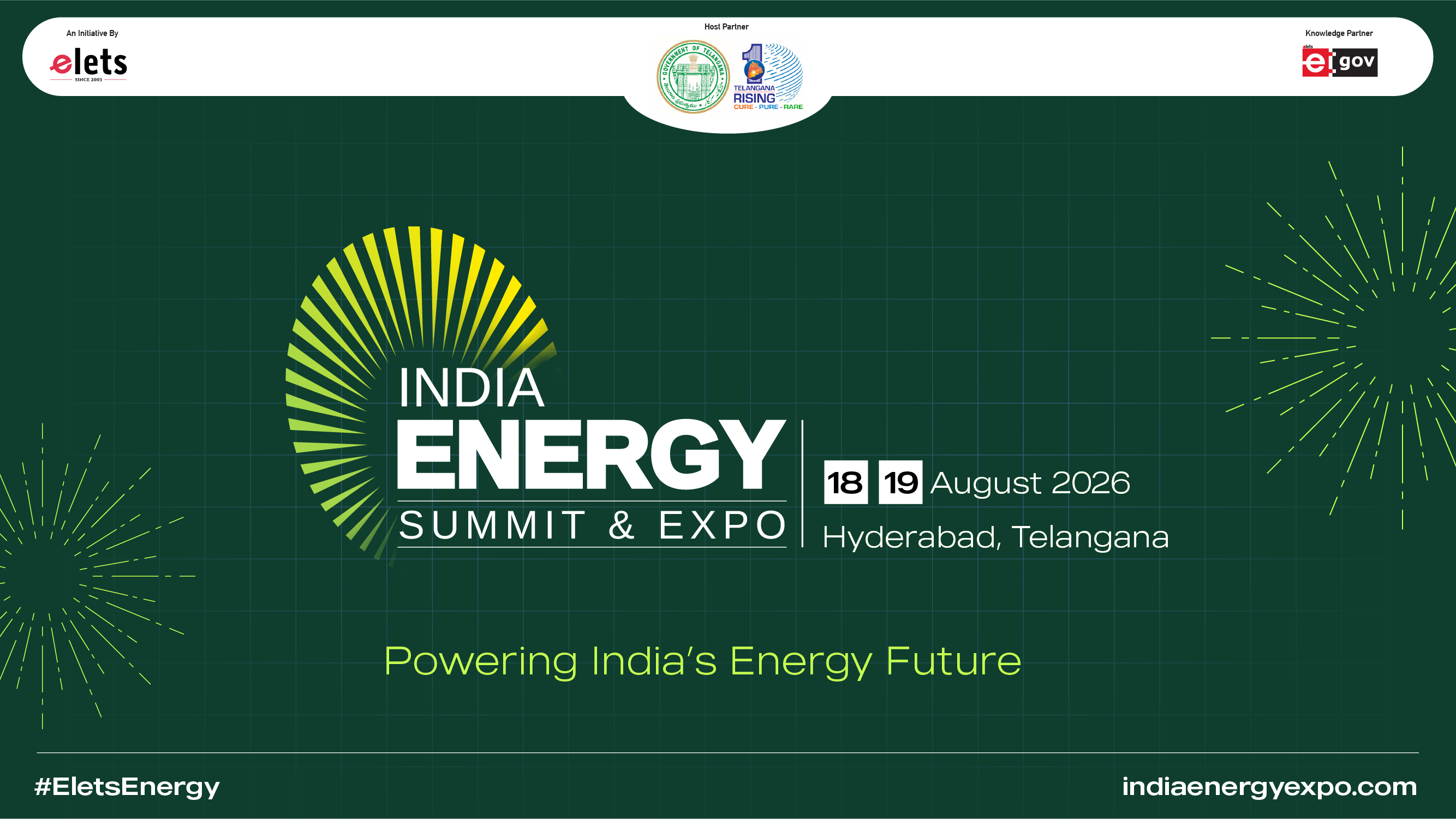
India's defining energy platform, in its sixth edition.
India’s net zero pathway, aligned with its commitments under COP21 . and reinforced through
the
Panchamrit goals, targets net zero emissions by 2070 and a 45% reduction in emissions intensity of GDP
by
2030 (from 2005 levels). The country is advancing towards 500 GW of non-fossil fuel capacity by 2030,
with
over 50% of installed capacity already non-fossil, alongside a commitment to reduce one billion tonnes
of
projected emissions, supporting the vision of Viksit Bharat.
Against this backdrop, India Energy Summit & Expo 2026, in its sixth edition, serves as a key
national
platform bringing together policymakers, industry leaders, investors and technology providers to drive
partnerships, investments and execution across India’s energy transition.
Who You’ll Meet
01
Government & Regulators
MMNRE, Ministry of Power, CERC, NITI Aayog, BIS, and state energy departments
02
Industry Leaders
Power utilities, oil & gas majors, renewable developers, EPC firms, and OEMs
03
Investors & Financiers
Venture capital, private equity, sovereign wealth funds, multilateral banks, and green bond issuers
04
Startups & Innovators
Cleantech startups, R&D institutions, IITs, national laboratories, and incubators
05
International Delegations
trade commissions, bilateral chambers, IEA, and IRENA
←
→
Our Partners
Chief Guest
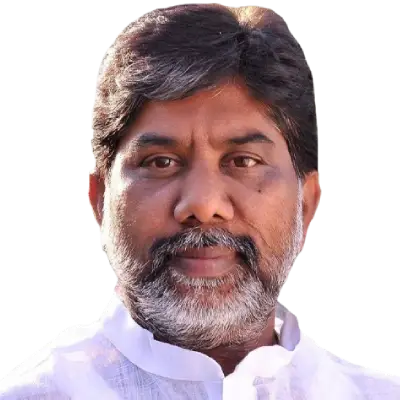
Sri Bhatti Vikramarka Mallu
Hon'ble Deputy Chief Minister & Minister for Finance & Planning,
Energy
Government of Telangana
Chief Guest
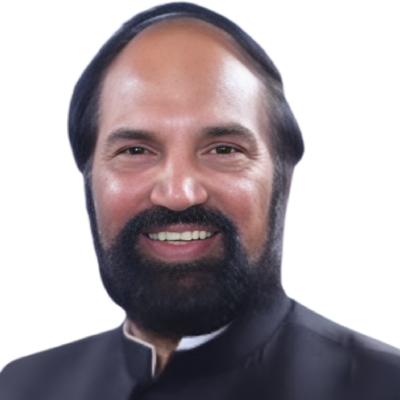
Sri N. Uttam Kumar Reddy
Hon'ble Minister of Irrigation & CAD; Food & Civil Supplies
Government of Telangana
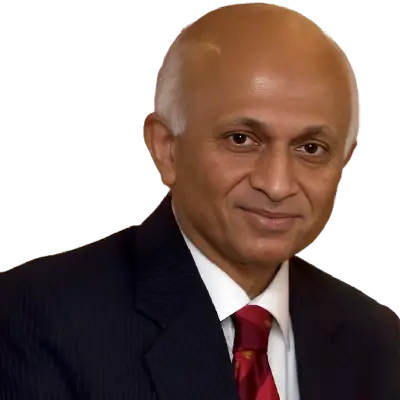
Program Chair
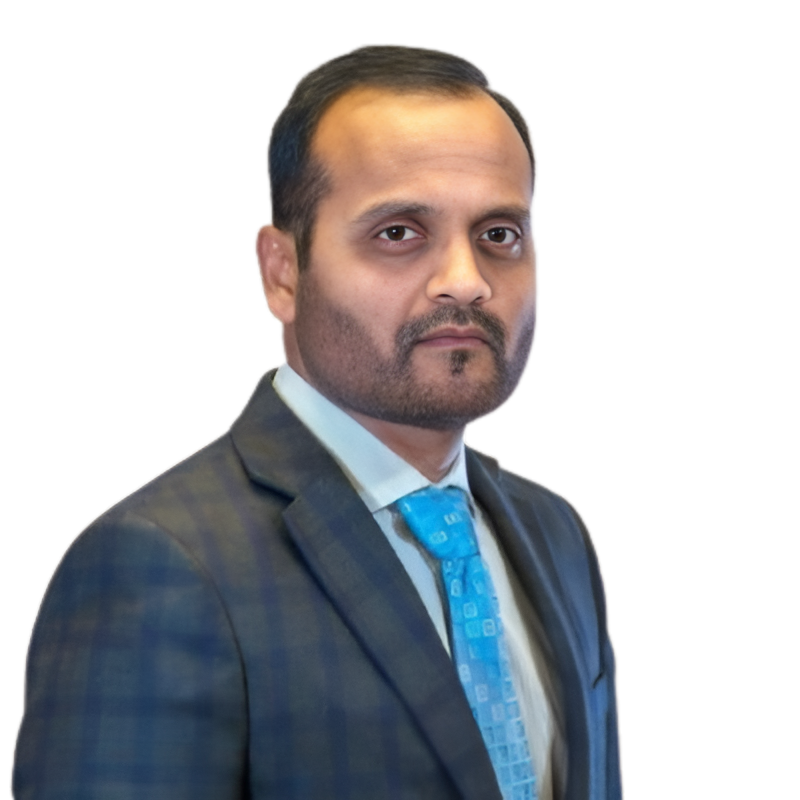
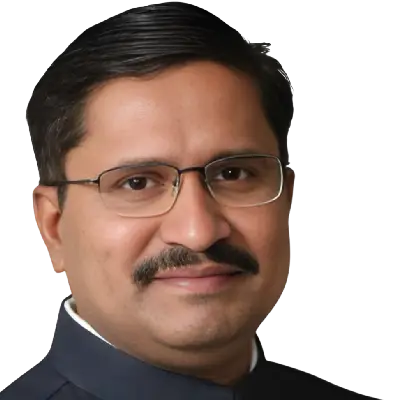
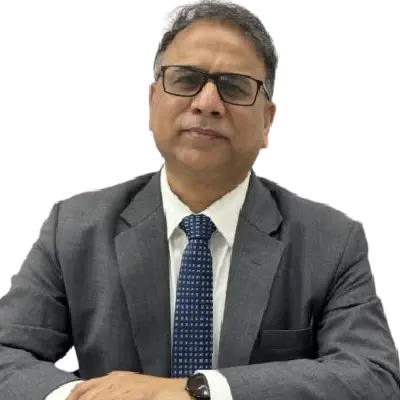
Navin Mittal
Special Chief SecretaryEnergy Department
Government of Telangana
GUEST OF HONOuR
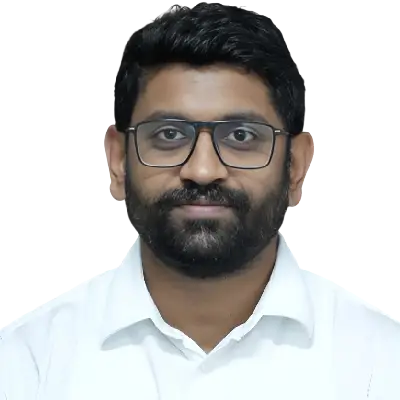
Phani Nagarjuna
Chief Executive Officer Telangana AI Innovation Hub (AIKAM)
ITEC Department, Government of Telangana
Program Co-Chairs
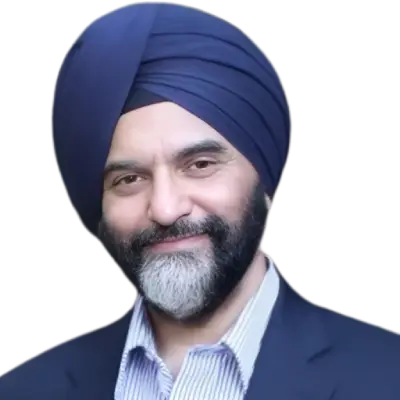
Dr. Buddhaprakash Jyoti
Chairman & Managing Director
Singareni Collieries Company Limited
D. Krishna Bhaskar, IAS
Chairman & Managing Director
Transmission Corporation of Telangana Limited (TSTRANSCO)
Mohammed Musharraf Ali Faruqui
Chairman and Managing Director
Telangana Rythu Power Distribution Company
Limited &
Vice Chairman & Managing Director
Telangana Renewable Energy Development Corporation Limited
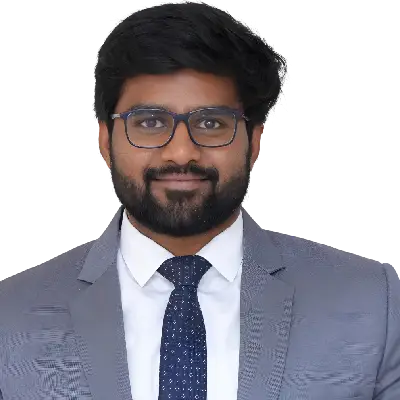
Dr. S Harish
Chairman & Managing Director
Telangana Power Generation Corporation Limited (TG GENCO)
Jitesh V Patil
Chairman & Managing Director
Southern Power Distribution Company of Telangana Limited
K. Varun Reddy
Chairman & Managing Director
Northern Power Distribution Company of Telangana
Speakers
Loading speakers…
Speakers
Bhupindra Singh Bhalla, IAS (Retd)
Ex Secretary MNRE
Government of India
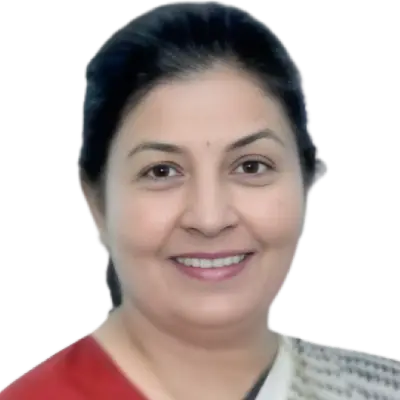
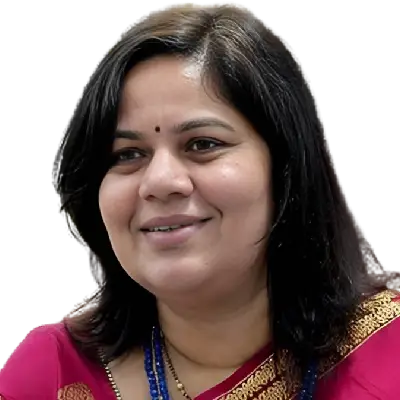
Abha Shukla, IAS
Additional Chief Secretary
Energy Department Government of Maharashtra
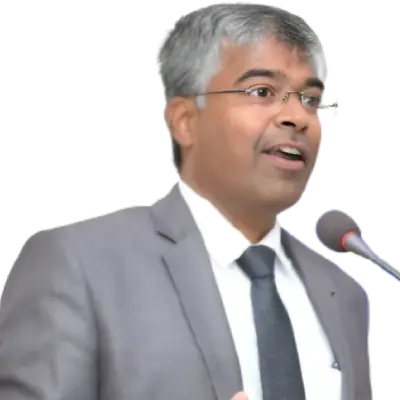
Shri Vishal Kumar Dev, IAS
Additional Chief Secretary
Energy Department Government of Odisha
Dr TK Sreedevi, IAS
Secretary
Municipal Administration Department, Government of Telangana
Dr. K. Ilambarithi, IAS
Transport Commissioner
Government of Telangana
R. V. Karnan, IAS
Commissioner
Greater Hyderabad Municipal Corporation (GHMC), Government of Telangana
Mohammed Musharraf Ali Faruqui, IAS
Chairman & Managing Director
Telangana Rythu Power Distribution Company Limited
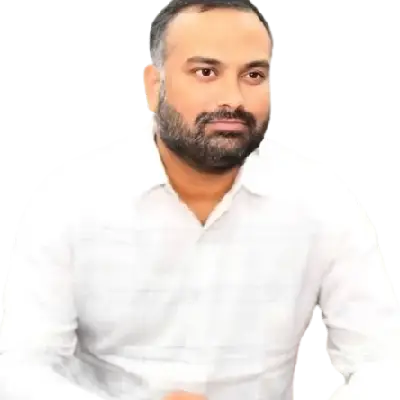
Dr Satyapriya Rath, IAS
Managing Director
GRIDCO Limited
Rahul Ratnam Pandey, IAS
Director
Centre for Smart Governance, Government of Karnataka
T. Ravi Kiran
Commissioner
Electronic Services Delivery, Government of Telangana
Gopalakrishnan VC
Director - Automotive & Electric Vehicle Sector
Industries Department, Government of Telangana
Key Discussion Points
Power Generation & Thermal Transition
Transmission Grid & Network Modernisation
Power Distribution & Last-Mile Access
Coal, Fuel Supply & Logistics
Smart Metering & Revenue Protection
Renewable Energy & Green Power Procurement
Power Finance, Tariff & Regulatory Affairs
Digital SCADA & Grid Automation
Demand-Side Management & Energy Efficiency
Agricultural Power & Farmer Welfare Schemes
EV, CNG & Urban Energy Mobility
What to Expect
01
Summit
High-Level Summit & Policy Dialogues
Deliberations on policy priorities, regulatory frameworks and the roadmap for India's
energy transition.
↗
04
Keynotes
Leadership Keynotes & Panel Discussions
Insights from senior policymakers, industry leaders and experts on key sectoral
developments.
↗
02
Showcase
Exhibition & Technology Showcase
Display of advanced solutions, innovations and technologies across clean and
conventional
energy sectors.
↗
03
Investor Connect
Investor Connect & Startup Pitching
Platform enabling startups and enterprises to engage with investors for funding, scaling
and partnerships.
↗
05
Networking
Networking & Partnership Opportunities
Structured interactions to build collaborations across government, industry and
technology
stakeholders.
↗
A Multi-Format Experience
Exhibition Hall
Curated exhibition space featuring thematic pillar
pavilions, country zones, and
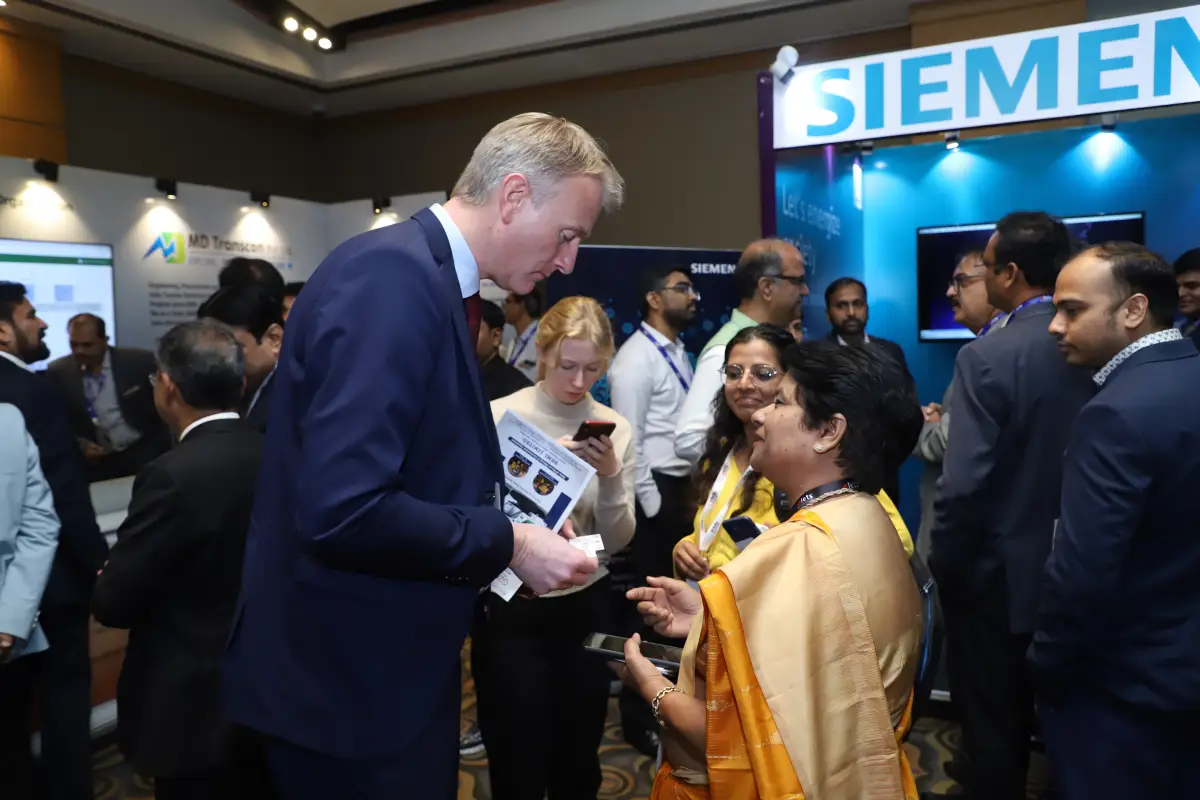
a dedicated Startup Showcase. Meet 50+ exhibitors from global OEMs to Indian cleantech
champions.
Summit & Conference
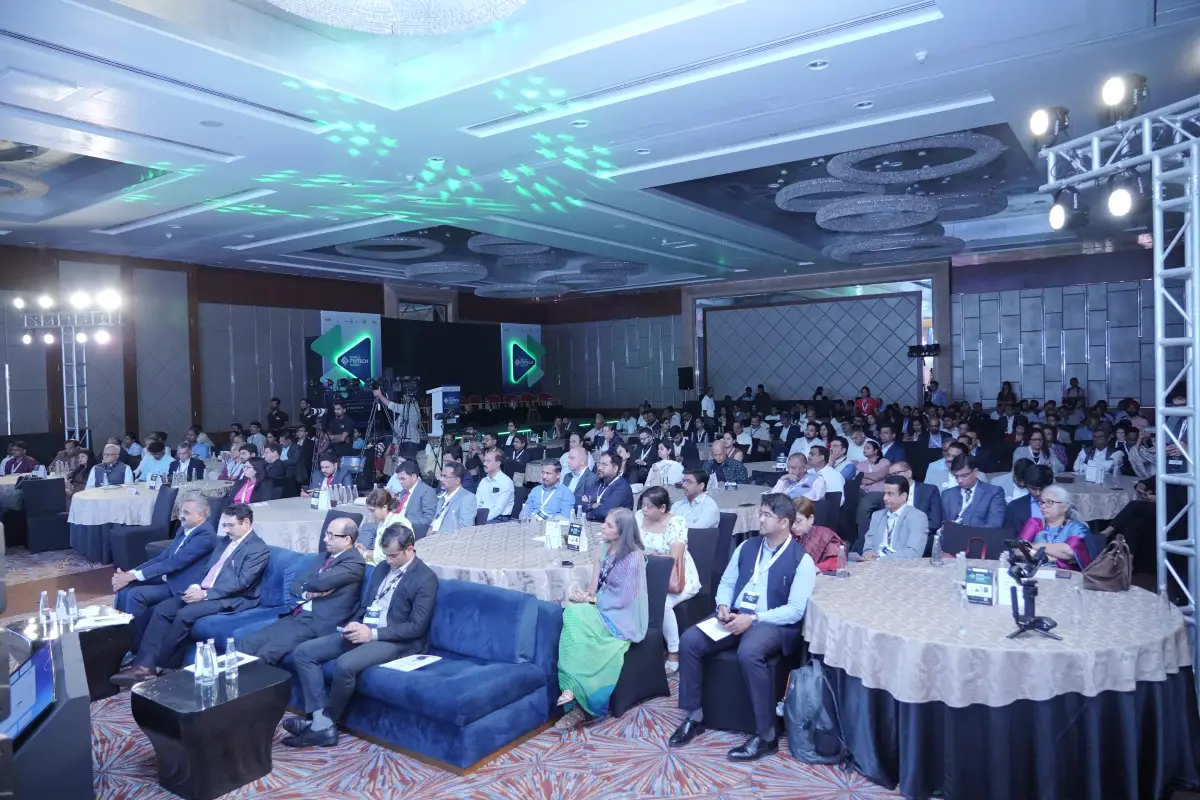
A two-day thought-leadership summit anchored by ministerial keynotes, CEO
roundtables, and
technical breakout sessions, generating policy insights that will shape the sector for years.
Investor Connect
Curated B2B matchmaking sessions, startup pitch stages, and structured
deal-rooms designed
to accelerate capital deployment into India's energy transition at speed and scale.
Innovation Awards
Annual awards ceremony recognising the most impactful breakthroughs in
technology, business
models, and social impact across all five energy pillars
Our Past Sponsors
essarlogo
Leader's Testimonials
Energy efficiency is essential for India’s goal of becoming a global leader in sustainable
development. With a commitment to net-zero emissions by 2070, India aims to generate 500 GW of
energy from non-fossil fuel sources by 2030, meet half of its energy needs through renewables,
and reduce CO2 emissions by a billion tons by 2030.
Shri Ch. Ranjit Singh
Minister for Power & New & Renewable Energy, Government of Haryana
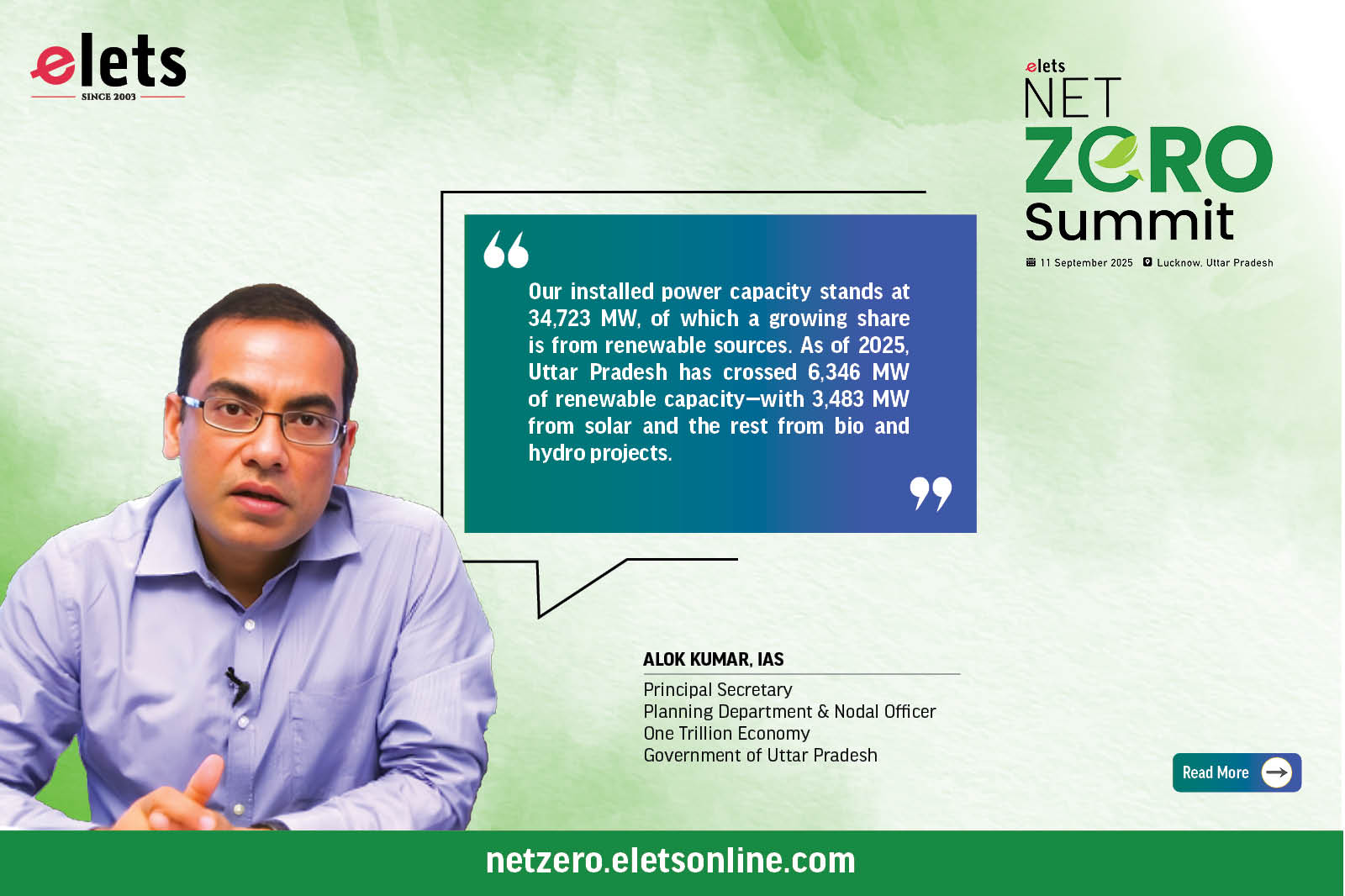
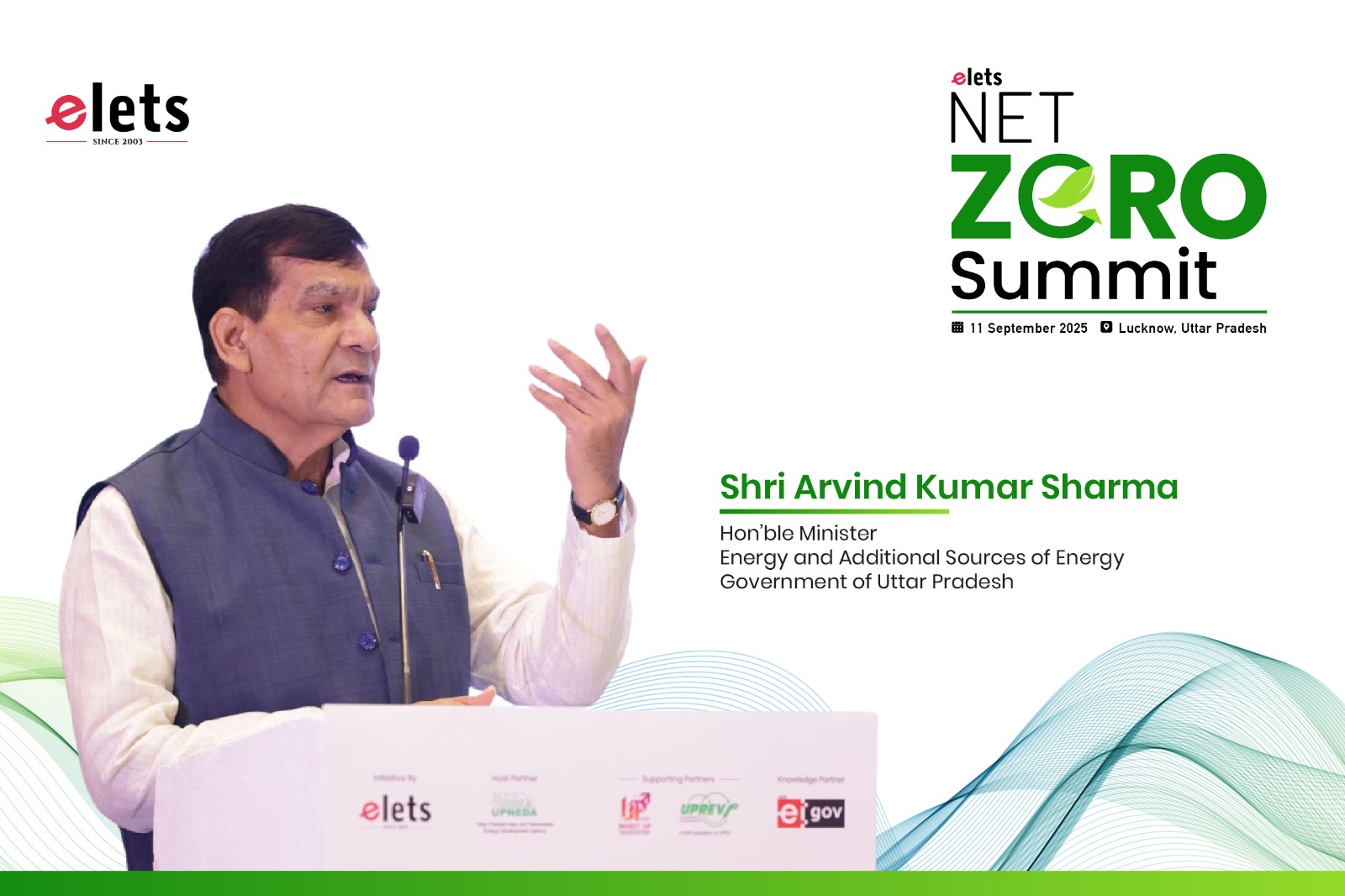
The Elets Net Zero Summit 2025 effectively showcased Uttar Pradesh’s balanced approach towards
energy security and sustainability. It brought together key stakeholders to deliberate on
expanding renewable capacity while strengthening thermal infrastructure.
Shri Arvind Kumar Sharma
Minister of Energy & Additional Sources of Energy, Government of Uttar Pradesh
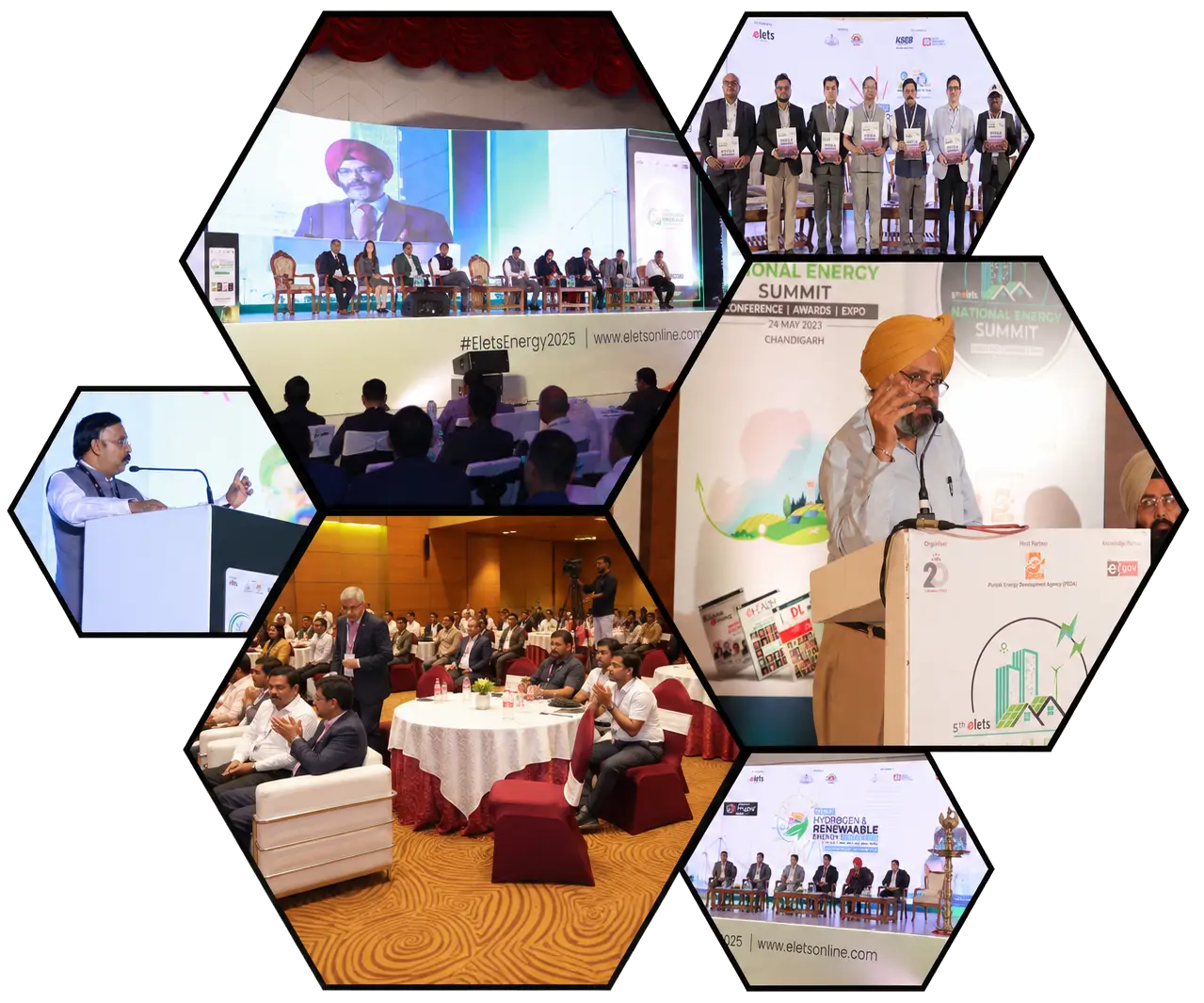
I congratulate and thank Elets Technomedia and PEDA for organising the Elets 5th National
Energy
Summit in Punjab. This was a wonderful endeavour to mainstream best practices and ICT
innovations in the energy sector.
Shri Aman Arora
Minister for New & Renewable Energy Resources, Government of Punjab
The 6th Elets National Energy Summit 2024 served as an important platform to highlight
Haryana’s
commitment to renewable energy and energy conservation, enabling meaningful discussions on
policy implementation and future pathways.
A K Singh
Additional Chief Secretary, Energy Department, Government of Haryana
At a time when hydrogen remains underutilised, the 2nd Global Hydrogen & Renewable Energy
Summit
2026 steered attention towards its untapped potential and integrated sustainability solutions.
K R Jyothilal
Additional Chief Secretary, Finance & Taxes Department, Government of Kerala
The Global Hydrogen & Renewable Energy Summit 2025 highlighted the complexity of India’s
energy
journey, balancing access, sustainability, and self-reliance through collaboration and
innovation.
Ranjan Mathai
Former Foreign Secretary of India
The Global Hydrogen & Renewable Energy Summit 2025 stood out as a timely convergence of
innovation and sustainability, highlighting energy’s central role in India’s economic
trajectory.
Sanjay Kirloskar
Chairman, Kirloskar Brothers Ltd.
This summit brought together government officials, industry experts, and stakeholders under
one
roof to discuss innovative solutions and shape the future of the energy sector.
A Venu Prasad
Additional Chief Secretary, New & Renewable Energy, Punjab
The 2nd Global Hydrogen & Renewable Energy Summit 2026 highlighted the critical role of
financial strength in driving energy transition and infrastructure growth.
Jitendra Srivastava
CMD, REC Ltd
The 5th Elets National Energy Summit provided a timely platform to deliberate on climate
change
and the global energy transition, highlighting the urgency of sustainable solutions.
Caroline Rowett
Deputy High Commissioner, British Deputy High Commission, Chandigarh
The Elets 4th National Energy Summit 2022 in Mumbai underscored the transformative trajectory
of
India’s energy sector, particularly in scaling renewable capacity. The platform enabled
strategic dialogue around aligning state ambitions with national targets, while highlighting
the
immense potential of solar and wind energy in accelerating the transition towards a cleaner,
more resilient energy ecosystem.
Dinesh Waghmare
Chairman & Managing Director, Maharashtra State Electricity Transmission Company
Ltd. (MSETCL)
The Elets 4th National Energy Summit 2022 provided a compelling platform for global exchange
on
sustainability and clean energy transitions. It emphasised the importance of collaborative
frameworks between government, industry, and academia, while reinforcing India’s commitment to
advancing renewable energy through innovation, investment, and international partnerships.
Anna Lekvall
Consul General of Sweden, Mumbai
Innovation takes centre stage in shaping conversations around the energy transition, with a
strong focus on clean technologies like solar and green hydrogen. The Elets 4th National
Energy
Summit 2022 in Mumbai fostered meaningful cross-border collaboration and highlighted how
innovation will be critical in building a sustainable and future-ready energy ecosystem.
Martin Maier
Consul General of Switzerland, Mumbai
The Elets 4th National Energy Summit 2022 effectively captured the industry’s perspective on
balancing sustainability with economic viability. It provided a platform to address practical
challenges while aligning environmental responsibility with business growth, reinforcing the
need for integrated and commercially sustainable energy solutions.
Milind Deshmukh
Managing Director, M D Transcon Pvt. Ltd.
The Elets 4th National Energy Summit 2022 in Mumbai highlighted sustainability as a central
pillar of policy and decision-making. The discussions underscored decarbonisation not only as
an
environmental imperative but also as a strategic priority for energy security, encouraging a
more integrated and forward-looking approach to India’s energy transition.
It is all three combined. The event runs a policy summit with ministerial keynotes, a
technology exhibition with 50+ exhibitors, and an innovation awards ceremony, all under one roof over
two
days.
Unlike a typical industry conference, this edition is anchored by the Telangana
government as host partner, meaning real policy stakeholders, regulators, and state utilities are
directly
involved, not just corporate speakers giving talks.
The summit operates on an invite-only basis. Attendance is limited to a curated group
of industry professionals, investors, and startups who receive a direct invitation from the organizing
team. If you're interested in attending, you can submit a request for consideration through the
official registration page, and our team will review it to determine eligibility. Due to limited
capacity, not all requests can be accommodated.
You'll meet government regulators like MNRE and CERC, power utility and oil & gas
executives, investors including VCs and multilateral banks, cleantech startups and research institutes
like IITs, and international delegations from bodies like IEA and IRENA.
Key speakers include Telangana's Deputy Chief Minister as chief guest, senior IAS
officers from multiple states, CMDs of major power generation and distribution companies, and sector
experts from across India's energy landscape.
Organisations can take part as exhibitors showcasing their solutions, as sponsors
backing
the event, as speakers on panels, or as startups pitching to investors, by connecting with the
partnership
and speaking opportunities teams.
Associating gives organisations direct visibility in front of policymakers, large
public
sector buyers, and investors, at a time when India is actively scaling its renewable energy, storage,
and
hydrogen sectors.
Solution providers can book space in the exhibition hall's thematic pavilions, join
the
startup showcase, or present their offerings during investor connect and technical breakout sessions.
The awards recognise genuine breakthroughs in technology, business models, and social
impact across the energy sector, so attending or winning adds credibility and puts an organisation in
front of industry decision-makers.
The agenda covers power generation and thermal transition, transmission and grid
modernisation, renewable energy procurement, green hydrogen, EV and urban mobility, energy storage,
and
power finance and regulatory affairs.
Yes, the summit includes curated investor connect sessions, structured deal rooms,
and
CEO roundtables that are designed for focused, relationship-building conversations rather than open
public
panels.
These are curated video conversations featuring ministers and senior industry leaders
discussing India's energy transition, shared as highlights from current and past editions of the
summit.
Where it happens
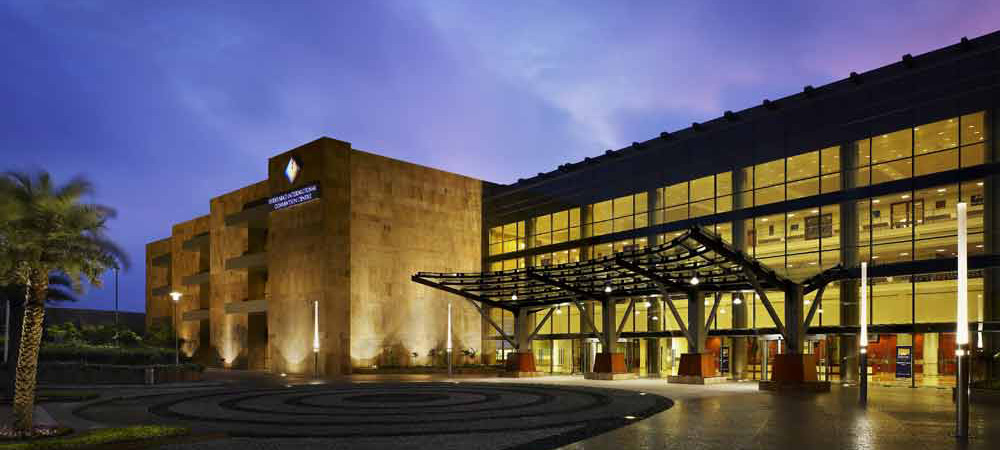
HICC, Hyderabad
Novotel Hyderabad Convention Centre, India's largest integrated convention venue, hosts the expo floor,
ministerial summit, investor forum and awards night. Direct access from Hyderabad airport.