Green Urea
Technology options and pathways for domestic Green Urea production, and what it takes to make it a commercial reality in India.
Panels · 12:00 PMGrowing the future…

 Department of FertilizersMinistry of Chemicals & Fertilizers

Advancing Green Urea, low-carbon fertiliser production & next-generation nutrient technologies
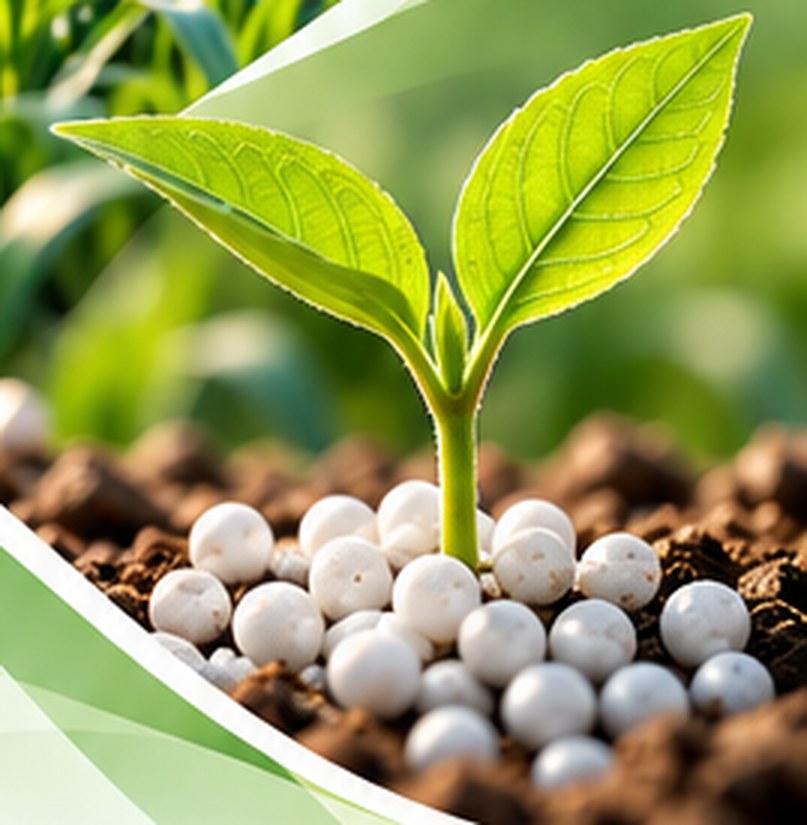
The Indian fertiliser industry is the cornerstone of the country’s food security, agricultural productivity and rural economy. India is the 2nd largest consumer, 3rd largest producer and one of the largest importers of fertilisers in the world. The sector plays a strategic role in ensuring nutrient availability, crop productivity and agricultural self-reliance.
However, the industry faces multiple challenges, including high import dependence, imbalanced nutrient use and soil degradation, rising subsidy burden, and a significant emissions footprint. At the same time, the sector is witnessing a new wave of technological innovation driven by the Green Hydrogen Mission, low-carbon manufacturing pathways, enhanced-efficiency fertilisers, circular economy solutions and greater resource efficiency.
On behalf of the Department of Fertilisers, Ministry of Chemicals and Fertilisers, Government of India, Projects & Development India Ltd. (PDIL), in collaboration with Elets Technomedia, is organising the ‘Innovating Fertiliser Production in India Summit 2026’. The summit will bring together policymakers, fertiliser manufacturers, technology providers, project developers, equipment suppliers and industry stakeholders to deliberate on emerging pathways for green urea production, technological advancements, modernisation of fertiliser plants and the adoption of next-generation fertiliser technologies to strengthen domestic production capabilities and support the long-term development of India’s fertiliser sector.
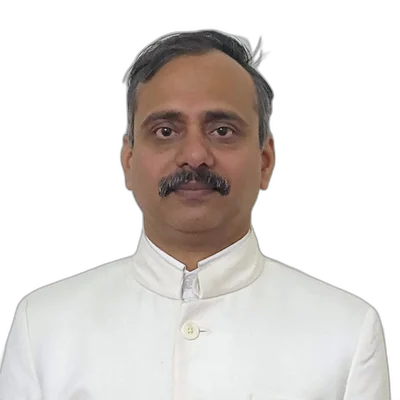
Joint Secretary, Department of Fertilisers
Ministry of Chemicals and Fertilisers
Government of India &
Chairman and Managing Director
Projects & Development India Limited (PDIL)
Keynote by Dr. Krishna Kant Pathak, JS (Fertilizers) & CMD (PDIL), with addresses from FAI, HURL, AVFCCL and NFL leadership.
10:00 AMTwo back-to-back panel discussions: ‘Ammonia for Green Urea’ and ‘CO2 for Green Urea’.
12:00 PMInauguration of the exhibition with a quick tour of emerging technologies and process solutions.
1:30 PMUrea coatings, phospho-gypsum circularity in DAP/NPK plants and usage of low-grade potash.
3:00 PMSix outcomes that move India towards a self-reliant, sustainable and future-ready fertiliser sector.
Advance discussions on Green Urea production pathways and implementation requirements
Identify technologies to improve production efficiency and reduce the environmental footprint of fertiliser manufacturing
Explore circular economy opportunities through by-product utilisation and resource recovery
Examine the technical and commercial feasibility of emerging fertiliser technologies
Facilitate collaboration among public-sector enterprises, manufacturers, technology providers and project developers
Identify investment and partnership opportunities for sustainable fertiliser production
Technology options and pathways for domestic Green Urea production, and what it takes to make it a commercial reality in India.
Panels · 12:00 PMGreen hydrogen and green ammonia as feedstocks, renewable energy requirements and value-chain integration.
Ammonia panel · 12:00 PMCO2 sourcing, utilisation and carbon reduction across fertiliser manufacturing.
CO2 panel · 12:45 PMEvolution of urea coatings and enhanced-efficiency fertilisers for sustainable agriculture.
Presentations · 3:00 PMZinc and sulphur-based fertiliser technologies for balanced nutrition and soil health.
Discussion trackPhosphogypsum circularity, low-grade potash in complex fertilisers, technology readiness and scalability.
Presentations · 3:00 PMRetrofits and new plants, capital costs, project financing, partnership models and the role of PSUs and private sector.
Discussion track
Leaders who shared the stage at the Elets Agriculture Innovation Summit 2025, Jaipur.
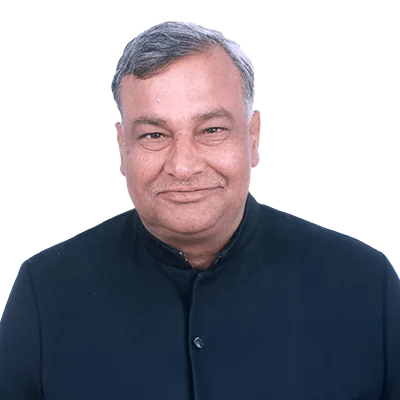
Hon'ble Minister, Agriculture & Horticulture
Government of Rajasthan
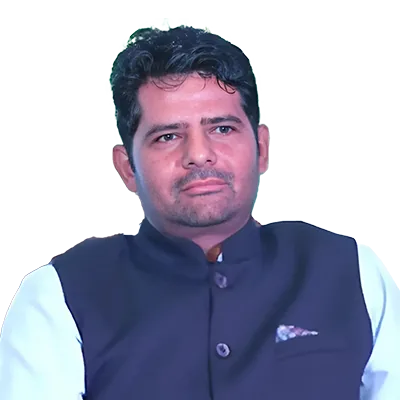
Secretary, Department of Agriculture
Government of Rajasthan

Commissioner, Agriculture and Horticulture
Government of Rajasthan
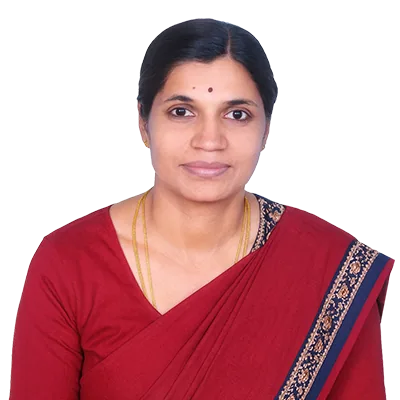
Professor and Principal Scientist
ICAR-Indian Agricultural Research Institute New Delhi
Government of India

Programme Director (Agriculture Technology) NITI Aayog
Government of India

Senior Scientist
ICAR-Indian Agricultural Research Institute New Delhi
Government of India

Principal Scientist
ICAR-Indian Agricultural Research Institute New Delhi
Government of India

Senior Scientist
CSIR-Institute of Himalayan Bioresource Technology
Government of India

Professor
IIT Indore
VC
SVPUAT-Meerut
Government of Uttar Pradesh
Director (Technology Management)
Digital India Corporation
Government of India

Head/Senior Scientific Officer, Chemistry
Uttar Pradesh Council of Sugarcane Research (UPCSR)
Government of Uttar Pradesh
Met Department
Rajasthan
Director
(ICAR) Indian Council of Agriculture Research - CSWRI
Avikanagar, Jaipur
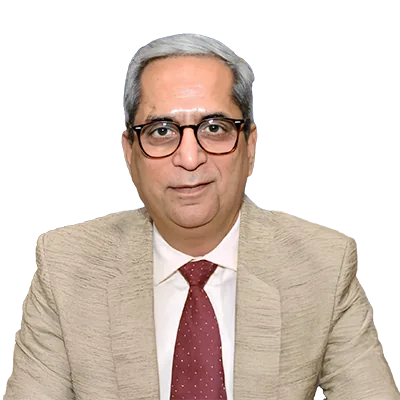
General Manager
Agriculture Insurance Company
Goverment of India
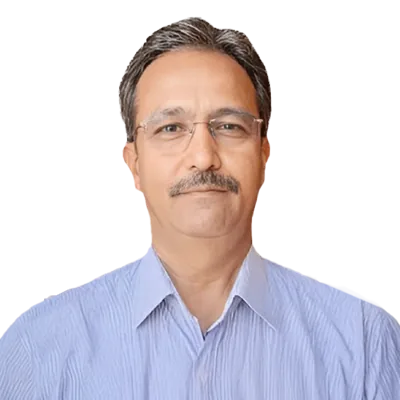
Managing Director
Rajasthan State Co-operative Marketing Federation Ltd.

GM APEDA (HQ)
(APEDA) Agricultural & Processed Food Products Export Development Authority
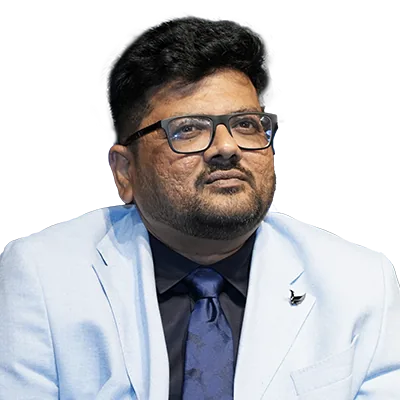
Business Unit Head
Agriculture and Data Fabrics

Counsellor of Agriculture, Fisheries and Food
Embassy of Spain
From policy to plant floor — every stakeholder shaping India’s fertiliser future, together for one day in New Delhi.
Setting policy, subsidy and the Green Urea roadmap
PSU and private producers modernising their plants
Process licensors and innovators with proven solutions
Designing and building next-generation plants
Clean feedstock and power partners for low-carbon urea
Turning pilots into commercial-scale capacity
Researchers, consultants and analysts guiding the shift
Critical machinery, catalysts and process equipment
Asia & the Middle East's first and only monthly magazine on e-Governance, with special editions on energy, mobility, AI and regional development.